Taking the helm of your floating home
This explainer covers how sails, anchors and navigation tools work together in Raft, so you can stop drifting and start choosing your own course across the ocean.
From drifting to sailing
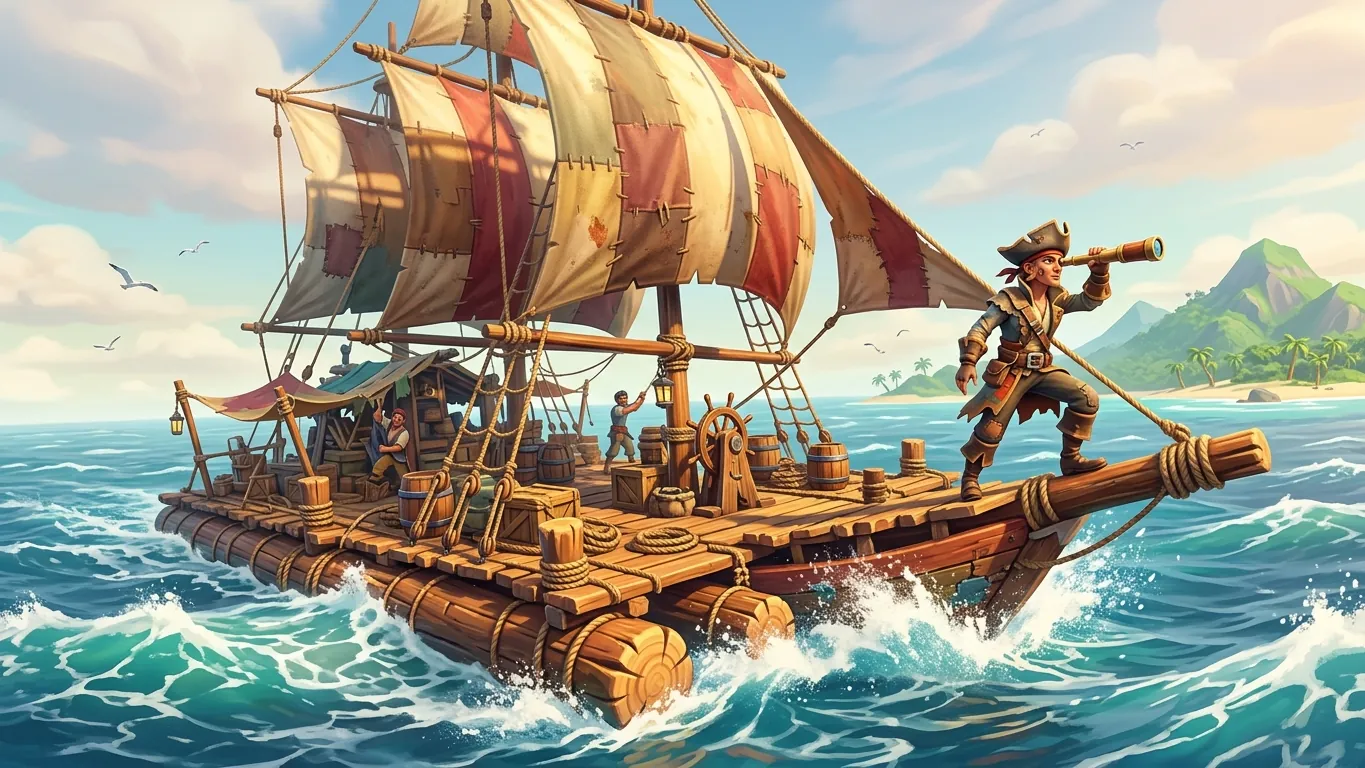
At the start of Raft, you go wherever the current takes you. That is fine for gathering debris, but sooner or later you will want to visit islands, explore and follow the story. That is where sails come in.
A sail catches the wind and pushes your raft in a direction you choose. You can rotate it to adjust your heading and raise or lower it to start or stop moving. The wind has its own direction, so you cannot sail straight into it, but you can angle your sail to make use of whatever breeze is blowing.
As your raft grows heavier with foundations, walls and stations, a single sail may start to feel slow. Adding more sails helps you keep a comfortable pace with a larger floating home.
Why anchors matter so much
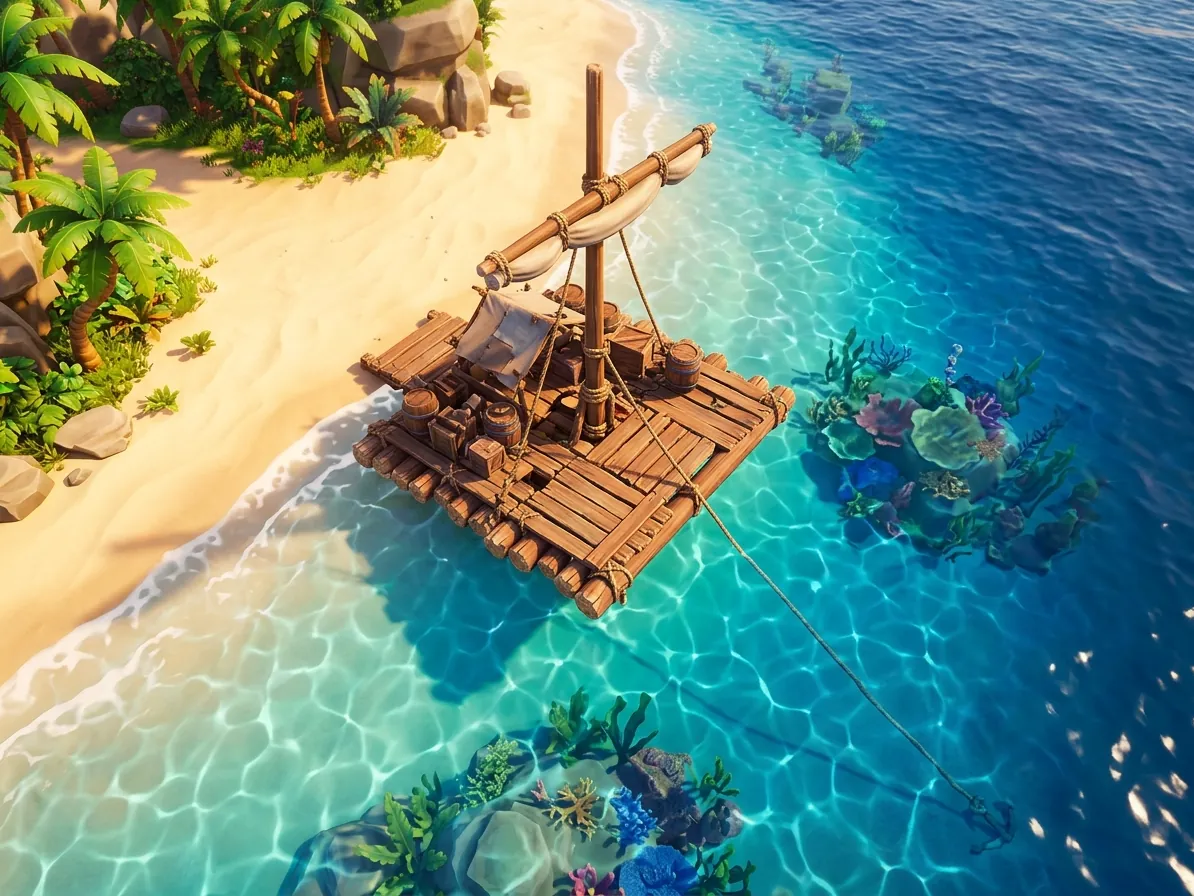
An anchor is the partner every sail needs. Dropping it stops your raft in place, which is essential when you want to visit an island, dive for resources or simply take a break without drifting away.
Early on, you can build a basic anchor. Later you can unlock a stationary anchor that is more permanent and convenient. Many players place one near the front and another near the side of the raft so they can stop quickly in different situations.
A good habit is to lower your sails before dropping the anchor. That keeps everything calm and controlled, and makes it much easier to set off again once you are ready.
Following signals across the ocean
Raft includes navigation tools that help you find specific destinations. A receiver, together with antennas placed around your raft, picks up signals and shows you the direction to important locations. These destinations often move the story forward and offer new resources and recipes to discover.
To use the receiver, check which direction the signal is coming from, then adjust your sails to head that way. It can take some trial and error, especially when the wind is not cooperating. Patience and small adjustments usually work better than constantly swinging your sails around.
You do not have to chase every signal right away. Many players enjoy taking detours to explore random islands along the route, which is a great way to gather materials and seeds.
Engines and steering for bigger rafts
As your floating home grows, you can unlock engines and a steering setup that give you more control over direction and speed. Engines need fuel to run, so plan a steady supply before relying on them for long journeys.
The advantage is clear: instead of fighting the wind, you can choose your heading more freely. This is especially helpful for large, multi-level rafts that would feel sluggish with sails alone.
Place engines and steering where they do not block walkways or other stations. A dedicated control area, perhaps on a raised deck with a good view, feels like a proper captain's bridge.
Planning calm trips between islands
Before setting off, check that your purifiers are running, your food box is stocked and your crew knows the plan. A few minutes of preparation can save a lot of stress later.
When you spot an island, lower the sails early so you do not overshoot it, then drop the anchor once you are close enough to swim. Take a quick look around the raft before leaving to make sure the shark is not already chewing on an edge.
Above all, enjoy the journey. Watching a new island rise from the horizon while your sails fill with wind is one of the most rewarding moments in Raft.
Related articles
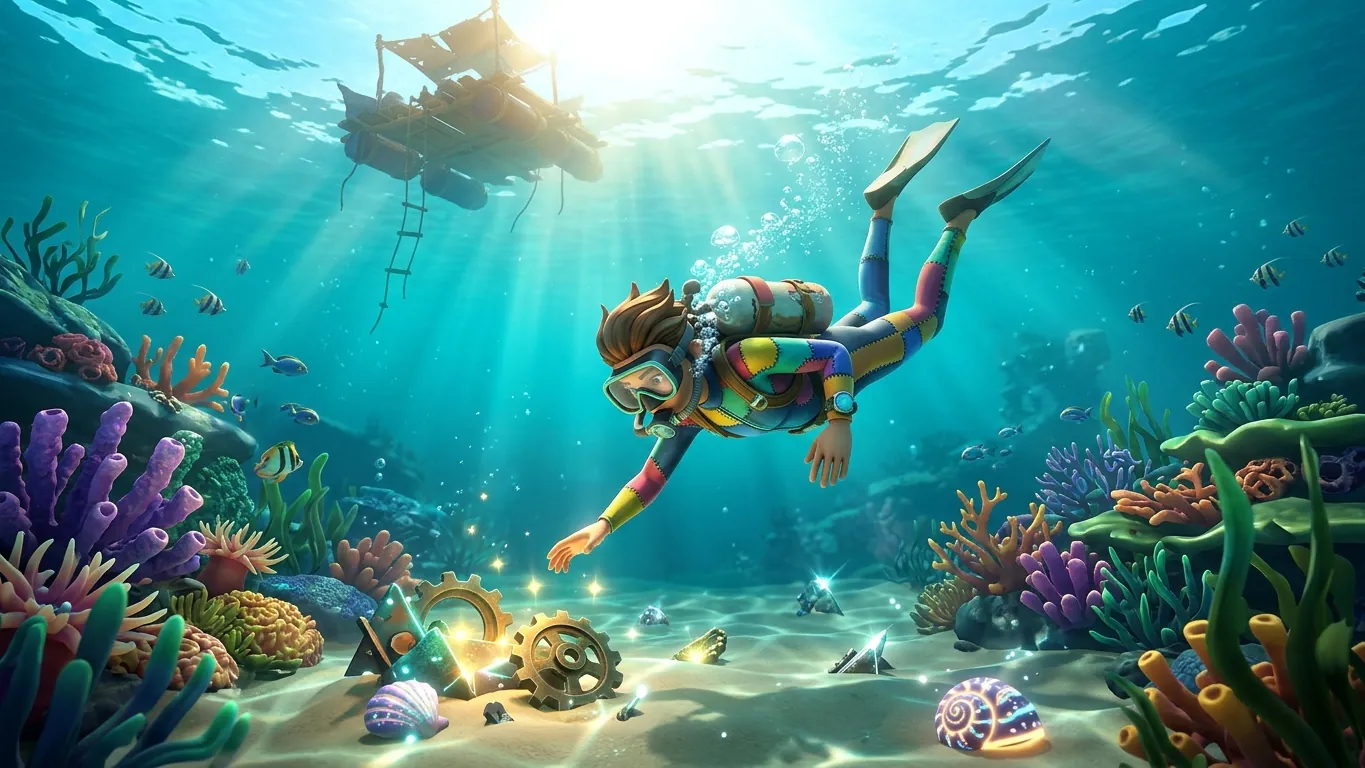 Beyond the deck: islands, reefs and hidden treasures
Tips for exploring islands and diving to the sea floor in Raft, from preparing your raft and packing tools to staying safe and heading home in time.
Read more
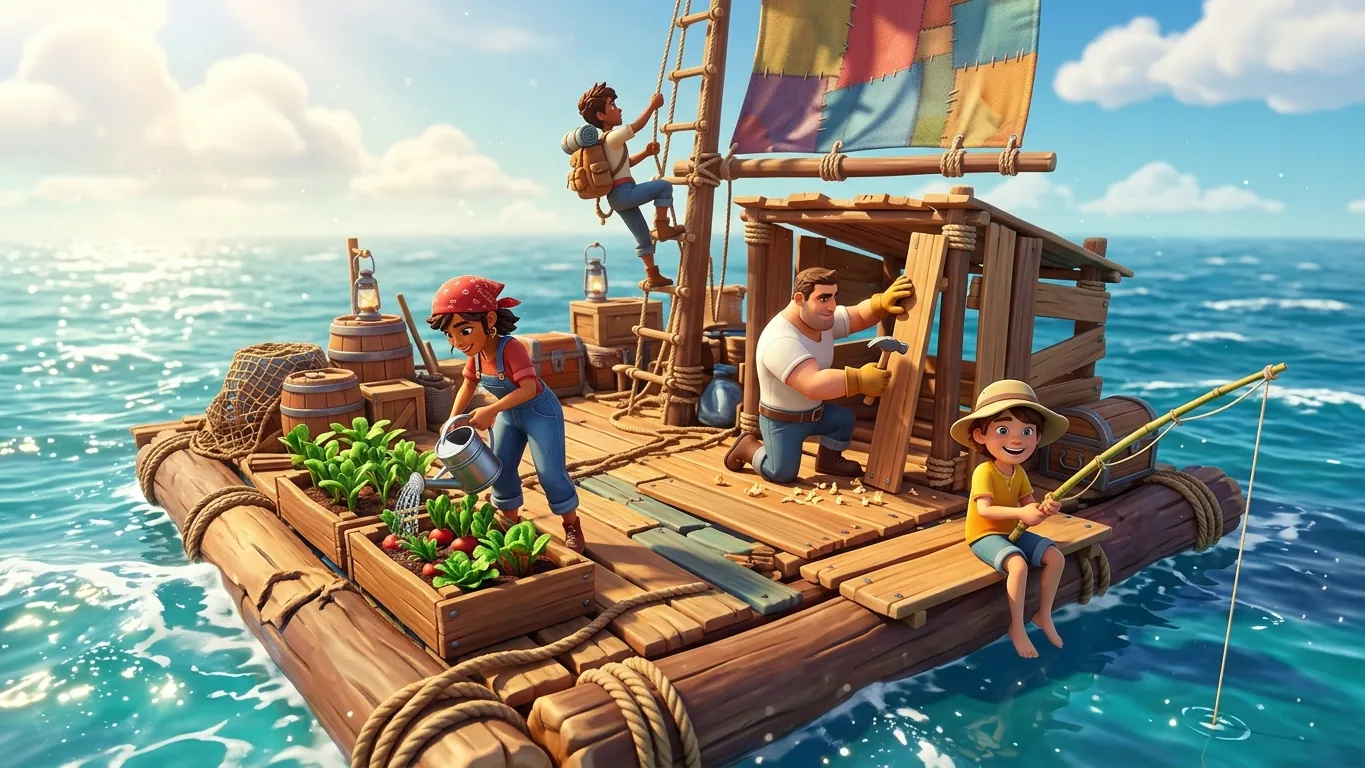 More hands on deck, more fun at sea
Ideas for playing Raft in co-op, with crew roles, communication habits, shared storage tips and ways to keep everyone involved in the adventure.
Read more
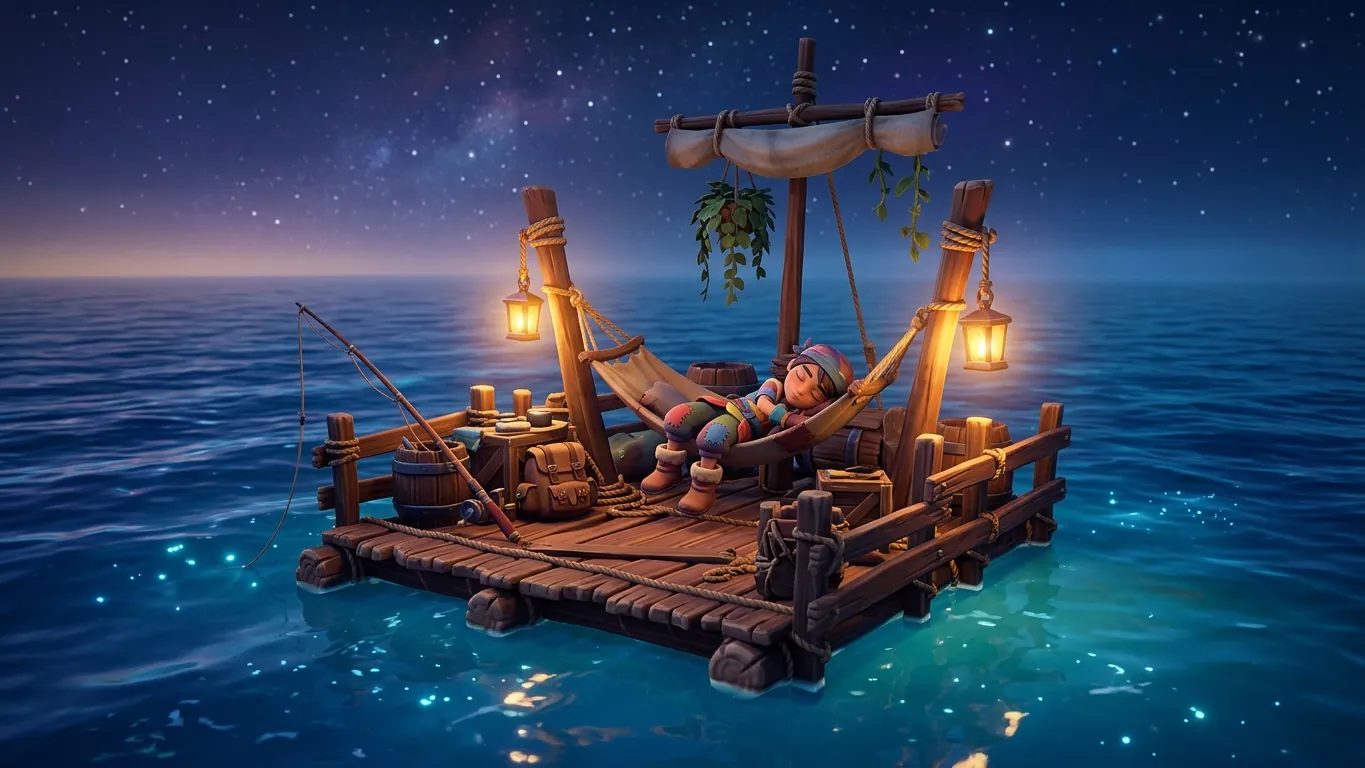 In praise of taking your time on the water
An opinion piece on why taking your time in Raft, from fishing to decorating and gentle exploration, makes the game feel so rewarding and relaxing.
Read more